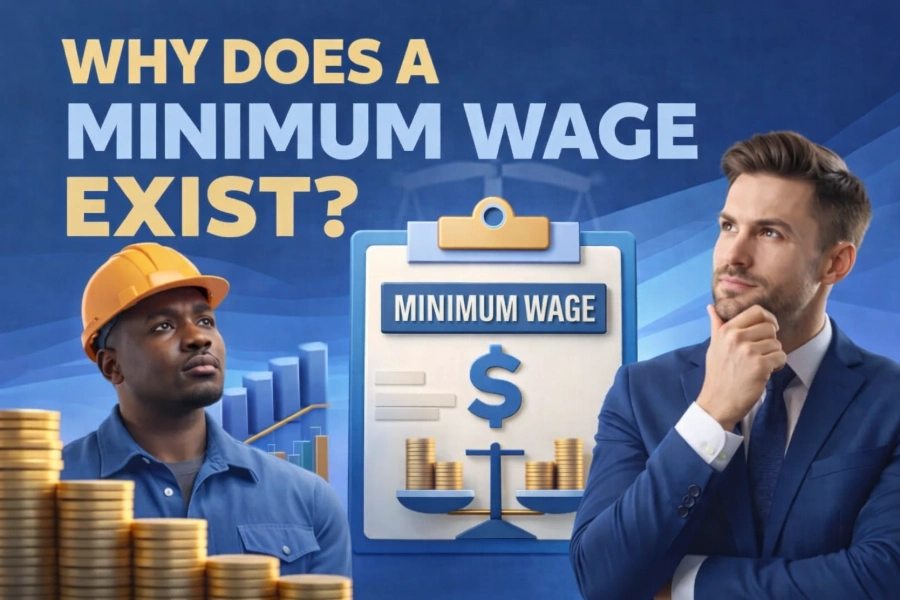
Minimum wage is one of the most debated economic policies, yet it remains a central feature of modern labor systems. You might wonder why governments set a wage floor instead of letting the market decide everything. The answer lies in fairness, protection, and economic stability.
Understanding why minimum wage exists helps you see how it affects workers, businesses, and the broader economy. It is not just about pay but about dignity, opportunity, and reducing inequality. Once you grasp its purpose, the debates around it start to make much more sense.
The Core Purpose Of Minimum Wage Laws
The minimum wage exists to set a legal baseline for how much workers should be paid for their labor. Without this protection, employers could pay extremely low wages, especially when workers have limited bargaining power. This policy ensures that work provides at least a basic level of financial security.
You benefit from a system that prevents a “race to the bottom” in wages. When employers compete by lowering pay, it harms workers and destabilizes communities. Minimum wage laws create a fair starting point that protects both individuals and the economy.
The concept is also tied to modern digital awareness, where people explore tools like a Facebook story viewer to understand online engagement trends, and similarly, minimum wage policies help you understand how economic systems protect value creation. Both reflect structured systems designed to bring transparency and fairness into complex environments.
Protecting Workers From Exploitation
One of the strongest reasons for the existence of a minimum wage is to prevent exploitation in the labor market. Historically, workers in industries such as manufacturing and agriculture were often underpaid despite long hours. Governments stepped in to correct this imbalance.
When you work, your time and effort have value. Minimum wage laws ensure that employers cannot take advantage of desperation or lack of alternatives. This is especially important for young workers, immigrants, and low-skilled laborers.
Without a wage floor, vulnerable groups would face the greatest risks. Minimum wage laws serve as a safety net, guaranteeing a minimum standard of living. It reinforces the idea that work should lead to survival, not hardship.
Reducing Income Inequality Across Society
Minimum wage plays a significant role in reducing income inequality. When lower-income workers earn more, the gap between the rich and the poor becomes less extreme. This helps create a more balanced and stable society.
You can see this impact clearly in data from multiple countries. Studies show that moderate increases in minimum wage often lead to higher earnings for the lowest-paid workers. This creates a ripple effect that improves overall economic health.
Understanding complex systems like this is similar to learning how content tools work through guides, such as how content generators work and how to use them properly, where structured processes produce better outcomes, just as structured wage policies improve income distribution.
Supporting Economic Stability And Growth
Minimum wage does more than help individuals; it supports the entire economy. When workers earn more, they spend more on goods and services. This increased spending drives business growth and job creation.
You benefit from this cycle because higher wages lead to stronger consumer demand. Businesses gain more customers, which can offset the higher labor costs. This creates a more resilient economic environment.
Economists often highlight that low-income workers tend to spend most of their earnings. This makes minimum wage a powerful tool for stimulating economic activity. It keeps money circulating within local communities.
Encouraging Fair Competition Among Employers
Minimum wage ensures that businesses compete based on quality, innovation, and efficiency rather than low wages. Without it, some companies could undercut others by paying workers less. This would create an uneven playing field.
You want a system where businesses succeed because they offer better products or services. Minimum wage supports this by removing unfair cost-cutting strategies. It encourages companies to invest in productivity rather than exploit labor.
This also benefits workers in the long run. When companies focus on efficiency and innovation, they create better job opportunities. The labor market becomes more sustainable and forward-thinking.
Historical Roots Of Minimum Wage Policies
Minimum wage laws did not appear overnight. They emerged during times of economic hardship, especially during the early 20th century. Governments recognized the need to protect workers from harsh labor conditions.
In the United States, the Fair Labor Standards Act of 1938 was a turning point. It established a federal minimum wage and regulated working hours. This marked a shift toward stronger labor protections.
You can see how these laws were shaped by real struggles. Workers demanded fair pay, and policymakers responded with legislation. Minimum wage became a cornerstone of modern labor rights.
Addressing Inflation And Cost Of Living
Minimum wage exists partly to keep up with rising living costs. As prices increase, wages must also rise to maintain purchasing power. Without adjustments, workers would struggle to afford basic needs.
You experience this directly when rent, food, and transportation costs go up. If wages stay the same, your standard of living declines. Minimum wage policies help prevent this erosion.
Governments often review and adjust wage levels to reflect economic conditions. This ensures that the wage floor remains meaningful over time. It protects workers from being left behind during periods of inflation.
The Debate Around Employment Effects
One common concern is whether minimum wage reduces jobs. Some argue that higher wages lead to fewer employment opportunities. Others point to research showing minimal impact on job levels.
You should understand that the effects depend on how much wages increase and the economic context. Moderate increases often show little to no negative impact. In some cases, they even improve job stability.
This debate continues because labor markets are complex. However, modern research increasingly supports the idea that well-designed minimum wage policies can balance fairness and employment.
Improving Worker Productivity And Morale
When workers earn a fair wage, they are more motivated and productive. Higher pay leads to better job satisfaction and lower turnover. This benefits both employees and employers.
You perform better when you feel valued. Minimum wage contributes to that sense of fairness. It reduces stress and allows workers to focus on their tasks.
Employers also gain from this arrangement. Lower turnover means reduced hiring and training costs. A stable workforce improves overall business performance.
Creating A Foundation For Social Justice
Minimum wage is not just an economic tool; it is a social justice measure. It reflects a society’s commitment to fairness and dignity. Everyone deserves to earn enough to meet basic needs.
You live in a system where policies shape opportunities. Minimum wage ensures that work is respected and compensated fairly. It reinforces the idea that no one should work full-time and still live in poverty.
Learning structured approaches to fairness, similar to understanding what an AI writing assistant is and how it is beneficial, shows how tools and policies can enhance outcomes, whether in technology or labor systems.
The Global Perspective On Minimum Wage
Minimum wage policies vary across countries. Some nations set high wage floors, while others rely on collective bargaining. Despite these differences, the core goal remains the same.
You can observe that most developed economies have adopted some form of minimum wage. This reflects a global consensus on its importance. It is seen as a basic requirement for fair labor practices.
International comparisons also highlight differences in living standards. Minimum wage must be tailored to each country’s economic conditions. There is no one-size-fits-all approach.
Balancing Business Needs And Worker Rights
Minimum wage policies aim to balance two important priorities. Businesses need to remain profitable, while workers need fair compensation. Achieving this balance is key to sustainable growth.
You benefit when both sides are considered. A strong economy requires healthy businesses and financially stable workers. Minimum wage helps align these interests.
Policymakers continuously adjust wage levels to reflect economic realities. This ensures that the system remains effective and fair. It is a dynamic process that evolves over time.
Why Minimum Wage Still Matters Today
Minimum wage remains relevant in today’s economy. With rising inequality and changing job markets, its importance has only grown. It continues to protect workers and support economic stability.
You are part of a system that relies on fair compensation. Minimum wage ensures that progress benefits everyone, not just a few. It is a key tool for creating inclusive growth.
As economies evolve, the role of minimum wage will also adapt. However, its core purpose remains unchanged. It exists to protect, empower, and create a fairer society.
Conclusion
Minimum wage exists because fairness in the labor market does not happen automatically. It is a deliberate policy designed to protect workers, reduce inequality, and support economic stability. Without it, many people would struggle to earn enough to meet basic needs.
You can now see that minimum wage is more than just a number. It reflects societal values and serves as a tool for balancing competing interests. While debates will continue, its role in shaping a fair economy remains essential.
Understanding why minimum wage exists gives you a clearer view of how economic systems function. It highlights the importance of policies that protect individuals while supporting growth. In the end, it ensures that work remains a pathway to dignity and opportunity.